What is Non-Fungible Token (NFT)
Non-Fungible Tokens (NFTs) are unique digital assets that prove ownership of something, usually art, music, Trading cards, game items, or collectibles.
Unlike cryptocurrencies such as Bitcoin—which are “fungible” because each coin is identical—NFTs cannot be replaced with an identical copy. Each one has its own metadata and ownership record stored on a blockchain, making it easy to verify who owns it and whether it’s authentic.
In simple terms, NFTs are like “digital certificates” that show you own a specific item on the Internet.
How do Non-Fungible Tokens (NFTs) work?
Non-Fungible Tokens (NFTs) work by using blockchain technology to create a unique, verifiable record of ownership for a digital item. When someone “mints” an NFT, the blockchain stores details like who made it, what it represents, and who owns it.
Because the data on the blockchain can’t be changed or duplicated, everyone can trust that each NFT is authentic and one-of-a-kind. When you buy or sell an NFT, the blockchain updates the ownership record, ensuring the transfer is secure and transparent without the need for a middleman.
Example use cases of NFTs:
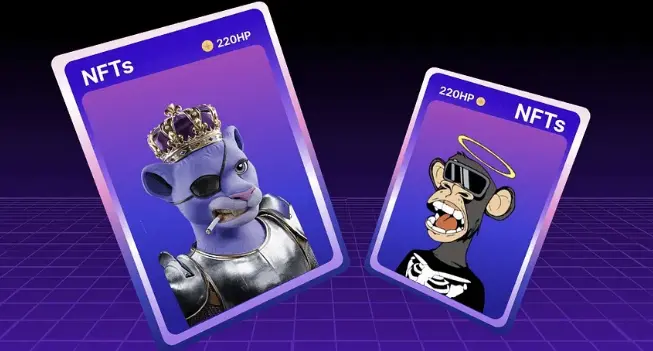
Digital art (illustrations, animations, 3D art)
Music files or exclusive album releases
Collectible items (trading cards, digital stickers)
In-game items (skins, weapons, characters)
Virtual land in metaverse platforms
Domain names on blockchain (e.g., .eth domains)
Event tickets stored on blockchain
Membership passes or VIP access tokens
Benefits of NFTs
NFTs offer several benefits, especially for creators and collectors.
First, they provide true digital ownership, meaning you can prove an item is yours through the blockchain. They also ensure scarcity and authenticity, which makes each item unique and harder to duplicate.
For creators, NFTs allow direct monetization, letting artists or musicians sell their work without relying on middlemen. Another advantage is royalties, where creators can earn a percentage every time their NFT is resold.
Also, NFTs enable global access, allowing anyone around the world to buy, sell, or trade digital items easily. Overall, NFTs create a more transparent and efficient way to own, sell, and authenticate digital assets.
Limitations and concerns about NFTs
While NFTs offer some advantages, they also come with important concerns for anyone thinking about investing in or minting them.
One major issue is that the token only proves ownership of the digital asset, not the asset itself. The image, video, or file linked to an NFT can still be copied, shared, or downloaded without your permission, just like any other digital content. Even though this is considered piracy, the owner is responsible for tracking down violators and taking legal action, which can be challenging.
Some people buy NFTs more for the status than the asset itself. The purchased NFT often acts as a digital flex—proof that they could afford to pay a high price—while the actual value of the NFT can be uncertain or even questionable, especially when anyone can still view or copy the underlying image.
Another limitation is liquidity. NFTs appeal to a niche group of collectors, so if their popularity drops or your specific NFT falls out of trend, it may be difficult to find a buyer when you want to sell.
Potential issues: Money laundering
NFTs, like traditional art, can be misused for money laundering. Because transactions can be anonymous, someone could create multiple wallets, buy and sell the same NFT to themselves (a tactic called wash trading), and make it look like the asset is gaining value before selling it to someone else. Reports from Chainalysis show that this practice is becoming more common among offenders on NFT marketplaces.
NFT scams
NFT scams are kind of common, and it’s important to understand the major ones:
Phishing scams use fake links, pop-ups, or social media messages to trick you into connecting your wallet.
Catfishing scams involve fake marketplaces, fake influencer accounts, or impersonators promoting NFT drops to steal your money.
Counterfeit NFTs happen when scammers mint and sell someone else’s artwork as if they created it.
Pump-and-dump schemes involve artificially hyping an NFT collection so buyers rush in, and then the scammers suddenly cash out, leaving the NFTs worthless.
There are also “free mint scams,” where scammers pressure users to mint a “free” NFT, but the signature they ask you to approve actually gives them control of your wallet.
To avoid falling victim to an NFT scam:
To avoid NFT scams, follow basic cybersecurity habits like using strong passwords and enabling two-factor authentication. It’s also safer to store your crypto in a cold wallet, which keeps your keys offline. If you plan to invest larger amounts, always start with a small test transaction first. Ignore unsolicited messages, strange NFTs, or random wallet DMs, as they may contain malicious contracts. Most importantly, learn how to protect your crypto and personal information by reading trusted guides, reviews, and community feedback before buying any NFT.
Notable projects: Bored Apes, CryptoPunks
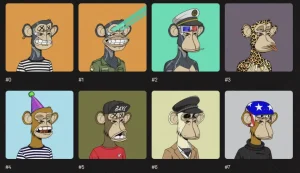
NFT projects like Bored Ape Yacht Club and CryptoPunks are some of the most famous and valuable collections in the NFT world. Bored Apes features 10,000 unique cartoon ape avatars, each with different traits that determine their rarity and price. Owners also gain membership perks, events, and community access.
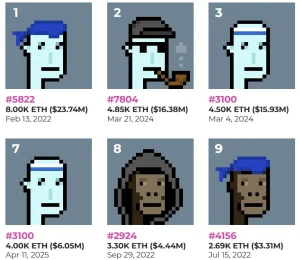
CryptoPunks, on the other hand, is one of the earliest NFT collections, consisting of 10,000 pixel-style characters that became iconic due to their originality and historical value. Both projects show how NFTs can combine art, rarity, and community to create enormous cultural impact and demand.
In a nutshell
The purpose of owning NFTs depends on the individual. Some people see them as investments that could increase in value, while collectors enjoy owning unique digital pieces. Others may value an NFT simply because it represents something meaningful to them—like a memorable moment, artwork, or item they want to keep in their digital collection.
Non-Fungible vs Fungible: Concept Explained
Fungible items are things that can be easily replaced with an identical version—like money, where one $10 note is the same as any other. Non-fungible items, on the other hand, are unique and cannot be swapped one-to-one with something identical. NFTs fall into this category because each token has its own unique data and ownership record, making it different from every other NFT.
NFT vs Crypto
NFTs and cryptocurrencies both use blockchain technology, but they serve different purposes. Cryptocurrencies like Bitcoin or Ethereum are fungible—each coin is identical and can be used identically like money.
NFTs, however, are non-fungible, meaning each one is unique and represents ownership of a specific digital item such as art or music. In simple terms, crypto is for exchanging value, while NFTs are for owning unique digital assets.
How do you buy NFTs?
You can buy NFTs through online marketplaces that specialize in digital assets, such as OpenSea or Magic Eden. To get started, you’ll need a crypto wallet, some cryptocurrency (usually Ethereum or the chain the NFT uses), and an account on the marketplace. Once everything is set up, you simply browse the collection, choose an NFT you like, and complete the purchase using your wallet.
NFT marketplace
An NFT marketplace is an online platform where people can buy, sell, and trade NFTs, similar to how e-commerce sites sell physical products. These marketplaces connect creators with buyers and handle the blockchain transactions needed to transfer ownership. Popular examples include OpenSea, Blur, and Magic Eden, where you can browse collections, place bids, or purchase NFTs directly using your crypto wallet.
How Do NFTs Make Money?
NFTs make money mainly through buying and selling. Creators can earn by selling their NFTs directly to Collectors, while Investors may profit if the value of an NFT increases and they later resell it for a higher price.
Many NFT platforms also allow creators to earn royalties each time their NFT is resold, giving them ongoing income as the asset changes hands.
The value of an NFT depends on what it represents. If it’s tied to something real, like tokenized real estate, it can be sold based on the property’s market value, and any price increase becomes profit.
If it’s a digital item, like an image of a monkey (Bored Ape) in a hat, its worth comes down to demand for that specific NFT. If its market price has gone up since you bought it, you can sell it for a gain.
How does tokenizing an asset work?
Tokenizing an asset means turning a real or digital item—like artwork, music, or even real estate—into a unique digital token on a blockchain. This token acts as a certificate that proves ownership and tracks who buys or sells it. The original asset can stay where it is, but the token represents its value and ownership in a secure, transparent way that’s easy to verify.
What is a digital ledger?
A digital ledger is an electronic record-keeping system used to store and track transactions. In blockchain, this ledger is decentralized and shared across many computers, making the data transparent, secure, and tamper-resistant.
What is ERC-721: Non-Fungible Token Standard?
ERC-721 is a token standard on the Ethereum blockchain used to create non-fungible tokens (NFTs). Unlike ERC-20 tokens, each ERC-721 token is unique and cannot be exchanged on a 1:1 basis—making it ideal for digital collectibles, art, and ownership-based assets.
Can I convert an NFT to real money?
Yes, you can convert an NFT to real money by selling it on an NFT marketplace (such as OpenSea or Rarible) in exchange for cryptocurrency, which you can then withdraw to fiat currency through a crypto exchange. The value depends on demand and whether a buyer is willing to purchase it.
How much is 1 NFT in dollars?
There is no fixed price for an NFT. The value of each NFT varies widely based on factors like rarity, creator popularity, utility, and market demand. Some NFTs may be worth a few dollars, while others have sold for thousands or even millions.
Are NFTs worth anything anymore?
NFTs still have value, but the overall market has cooled significantly since the 2021 boom. Most NFTs today have lower prices and reduced trading volume. However, certain categories—like gaming assets, digital collectibles, and utility-based NFTs—continue to maintain value depending on use case and demand.