Bitcoin in America: What New Investors Should Know in 2026
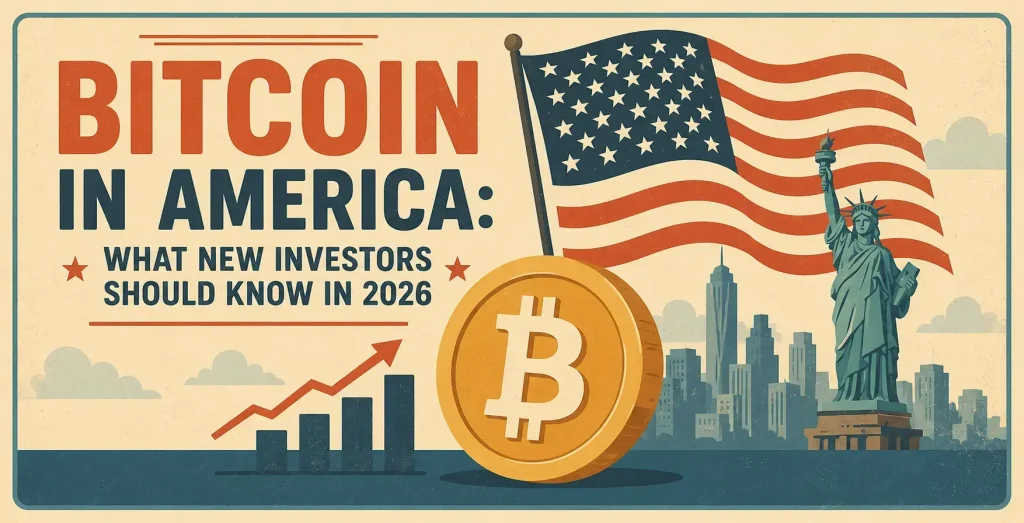
Bitcoin has evolved from a niche digital experiment into a globally recognized financial asset. In the United States, interest continues growing among individuals seeking exposure to digital assets alongside traditional investments. Questions about how to invest in Bitcoin in the United States remain among the most searched crypto-related topics because many newcomers are unsure where […]
What Are Gas Fees for Institutional Custodians and Centralized Exchanges?
Key Takeaways Gas fees represent an aggregate operational cost for custodians and exchanges, driven primarily by deposit sweeping,hot/cold wallet rebalancing, and client withdrawals rather than trading volume alone. Left unmanaged, small per-transaction network costs compound at scale. Implementation of automated batching, Layer 2 routing, and dynamic gas policies reduces network overhead without requiring engineering expansion. […]
What is Uniswap?

Key Takeaways Launched in 2018, Uniswap is the largest decentralized spot exchange (DEX) by trading volume, processing over $3.7 trillion in cumulative swaps across v2, v3, and v4 deployments. Rather than matching buy and sell orders through an order book, Uniswap relies on smart contracts and liquidity pools governed by a constant-product pricing algorithm (x×y=k). […]
Mastering Decentralized Crypto Exchanges (DEXs): The Ultimate Guide

Key Takeaways A decentralized exchange (DEX) lets you trade crypto directly from your own wallet using smart contracts, with no middleman holding your funds. DEXs connect traders in three main ways: automated market makers (AMMs) that price trades against liquidity pools, on-chain order books that match buy and sell orders directly, and aggregators that route […]
How DEXs Make Profit: 5 Proven Decentralized Exchange Revenue Models
Key Takeaways Decentralized Exchanges (DEXs) profit primarily from trading fees, split between Liquidity Providers (LPs) and the protocol treasury. Native tokens (e.g., UNI, SUSHI, CAKE) capture protocol value via fee switches, staking yields, and token burn mechanics. Leading DEXs augment swap fees with launchpads, listing partnerships, perpetual trading, and gamified ecosystem products. Long-term profitability hinges […]
How to Build a Centralized Crypto Exchange in 2026

Key Takeaways A white-label centralized exchange gives businesses a pre-built foundation (trading engine, wallets, compliance tools) that they configure and brand, instead of coding each system from scratch, cutting launch time from a year-plus down to weeks. Building on a white-label foundation still means real decisions: branding, liquidity partnerships, and compliance setup don’t happen automatically […]
Scaling a Crypto Exchange: How to Fix the Performance Bottlenecks Before Peak Traffic Hits You in 2026

Key Takeaways The global crypto exchange platform market is projected to reach $68.85 billion in 2026, and institutions that delay infrastructure investment risk ceding market share to better-equipped competitors. With 79% of exchange breaches targeting centralized platforms, multi-layer security architecture is no longer optional. It is the single largest factor separating viable exchanges from ones […]
How to Trade on a Decentralized Exchange as an Enterprise in 2026

Key Takeaways Decentralized exchanges (DEXs) now handle roughly 20% of global spot crypto volume, making on-chain a practical venue for enterprise treasury trading, hedging, and early asset access. Executing enterprise DEX operations requires a 5-step lifecycle: institutional multi-sig custody setup, regulated gas capitalization, vetted/permissioned pool selection, MEV-protected algorithmic routing, and automated Web3-to-ERP accounting reconciliation. Institutional-grade […]
Centralized Exchange (CEX) vs Decentralized Exchange (DEX): How to Choose the Right Crypto Exchange Model

Key Takeaways A white-label Centralized Exchange (CEX) serves mainstream retail users and institutions expecting fiat access, onboarding support, and managed service. A white-label Decentralized Exchange (DEX) serves on-chain users prioritizing self-custody and permissionless trading. The choice is fundamentally commercial, not technical. It comes down to who you want to serve, how you plan to make […]
What Is Margin Trading in Crypto and How Leverage Works

Key Takeaways Margin trading lets you borrow funds to open positions larger than your collateral, magnifying both potential gains and losses. Even a minor price swing against your trade can trigger a forced liquidation, wiping out your entire margin deposit. Strict stop-loss orders, conservative position sizing, and modest leverage separate long-term traders from those who […]